Graduate Admissions and Postdoctoral Opportunities
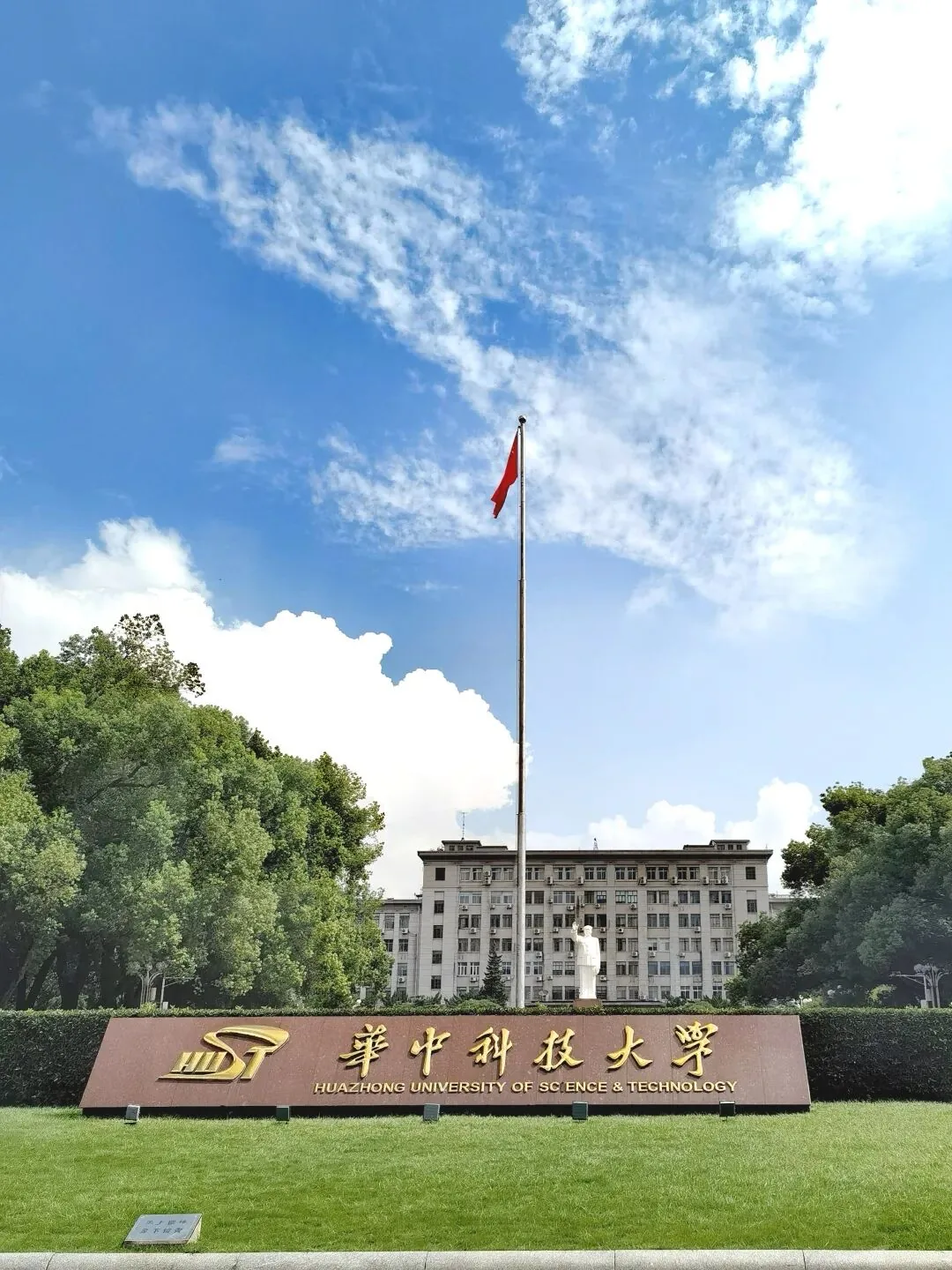
We welcome outstanding master’s students, doctoral students and postdoctoral researchers from China and abroad, as well as undergraduate students interested in research training.
Our group studies the mechanisms of major autoimmune diseases, cell and gene therapies, stem cells and extracellular vesicles, biologic drug development and clinical translation. Our disease areas include systemic lupus erythematosus, rheumatoid arthritis, Sjögren’s syndrome, systemic sclerosis, inflammatory myopathies and antiphospholipid syndrome. Our research spans disease mechanisms, target discovery, cell and biologic therapy development, preclinical evaluation and early-phase clinical trials.
Team Leaders
Professor Qiubai Li is Director of the Department of Rheumatology and Immunology at Union Hospital, Tongji Medical College, Huazhong University of Science and Technology (HUST), a senior professor and chief physician, and a doctoral and postdoctoral supervisor. He is chief scientist of a National Key R&D Program project under the Stem Cell Research and Organ Repair initiative and Director of the Hubei Engineering Research Center for Extracellular Vesicle Translational Applications. His team conducts basic and translational research on CAR-T cells, T-cell engagers (TCEs), stem cells and extracellular vesicles.
Professor Zhichao Chen is a senior professor and chief physician in the Department of Hematology at Union Hospital, Tongji Medical College, HUST, and a doctoral and postdoctoral supervisor. His research focuses on leukemia and other hematological diseases, with recent emphasis on stem cell and extracellular vesicle biology and translation. He has led a project under the National Key R&D Program’s Stem Cell Research and Organ Repair initiative, completed three National Natural Science Foundation of China General Program projects and multiple provincial and ministerial projects, and received honors including the First Prize of the Hubei Science and Technology Progress Award.
1. Master’s and Doctoral Admissions
We recruit master’s and doctoral students each year in accordance with the admissions plans of HUST and Wuhan Union Hospital. We welcome applicants with backgrounds in clinical medicine, basic medical sciences, biology, immunology, pharmacy, bioinformatics, biomedical engineering and related disciplines. Outstanding undergraduates are also welcome to join the group for research training before postgraduate study.
Research Areas
Our research focuses on autoimmune disease mechanisms and immune remodeling; CAR-T, TCE and other innovative cell and gene therapies; stem cells, extracellular vesicles and biologic drug development; organ injury and fibrosis repair; and precision treatment and clinical translation in rheumatology and immunology.
We combine patient cohorts and biospecimens with cellular and animal models, single-cell sequencing and multi-omics to investigate immune abnormalities and immune reconstitution after treatment. We develop and evaluate CAR-T, TCE, MSC and engineered EV approaches; study EV components, target cells and molecular targets in injury, aging and fibrosis; and use clinical research platforms to investigate treatment response prediction, biomarkers and innovative therapies.
Requirements for Master’s Applicants
- A background in clinical medicine, basic medical sciences, biology, immunology, pharmacy, bioinformatics or a related discipline.
- A strong interest in autoimmune diseases, cell therapies, stem cells, extracellular vesicles or translational medicine.
- Good learning and analytical skills and the ability to read scientific literature in English.
- A responsible approach to work and a collaborative attitude.
- Undergraduate research, laboratory experience, student innovation projects or research competitions are desirable but not required.
Master’s students may pursue basic, clinical or bioinformatics research according to their background and interests, with systematic training from supervisors and team members.
Requirements for Doctoral Applicants
- A master’s degree in medicine, biology, immunology, pharmacy, bioinformatics or a related discipline, or eligibility for direct doctoral admission under university requirements.
- A solid academic foundation and a strong interest in research.
- The ability to analyze scientific questions independently and sustain progress on research projects.
- Good English scientific reading and academic writing skills.
- Experience in cell culture, molecular biology, flow cytometry, animal models, single-cell sequencing, multi-omics, bioinformatics or clinical research is preferred.
- Publications, research projects or substantial research experience are preferred.
Doctoral students will develop relatively independent projects around the team’s core scientific questions. We encourage close connections between basic research and clinical needs, interdisciplinary collaboration, international and domestic academic exchange, and high-quality research publications.
Undergraduate Research Training
We welcome outstanding undergraduates from HUST and other universities to participate in research training. Opportunities include student innovation programs, basic medical and life science research, clinical cohort studies, single-cell and bioinformatics analysis, and cellular and molecular experiments. Students with a sustained interest in medical research and future postgraduate study are encouraged to begin systematic training early.
2. Postdoctoral Opportunities
We welcome applications for research and clinical postdoctoral positions on an ongoing basis.
Research Postdoctoral Positions
Research areas include autoimmune disease mechanisms, CAR-T and TCE therapies, stem cells and extracellular vesicles, engineered cells and EVs, organ injury and fibrosis, single-cell analysis and multi-omics.
Requirements
- A PhD already awarded or expected soon. Age and other eligibility requirements follow HUST and Wuhan Union Hospital regulations.
- A background in clinical medicine, basic medical sciences, life sciences, immunology, pharmacy, bioinformatics or related disciplines.
- Experience in molecular and cellular immunology, stem cells, extracellular vesicles, cell therapy, animal models, single-cell analysis or multi-omics is preferred.
- Strong scientific creativity and the ability to conduct research independently.
- Good English reading, academic writing and scientific communication skills.
- A strong record of research achievements is preferred.
Clinical Postdoctoral Positions
Projects focus on clinical studies of CAR-T cells, TCEs, stem cells, EVs and other innovative drugs for autoimmune diseases, alongside immune remodeling in refractory autoimmune disease, clinical cohorts, treatment response prediction, biomarkers and precision treatment.
Applicants should hold a doctorate in clinical medicine. Backgrounds in rheumatology and immunology, hematology, nephrology, respiratory medicine or related internal medicine specialties are preferred. Medical licensure, clinical research experience or GCP study experience is desirable.
3. Research Facilities and Training
Our group supports research from basic discovery through clinical translation, including cell culture and engineering, EV isolation and characterization, animal disease models, flow cytometry, molecular biology, single-cell sequencing, multi-omics, clinical cohorts and trials of innovative drugs.
Depending on their projects, graduate students and postdoctoral researchers can work with patient cohorts, clinical samples, laboratory experiments, animal models and clinical drug studies. Training connects clinical questions to mechanistic investigation and translational research.
We encourage participation in academic conferences and collaborative exchanges in China and abroad. We support postdoctoral researchers in applying independently for National Natural Science Foundation of China grants, China Postdoctoral Science Foundation grants, and national, provincial and municipal young investigator programs.
4. How to Apply
Applicants for master’s study, doctoral study, postdoctoral positions or undergraduate research training should send materials to:
Professor Qiubai Li
Email: qiubaili@hust.edu.cn
Suggested email subject:
“Application type (Master’s / PhD / Postdoc / Undergraduate Research) + Name + University or Institution + Research Area”
Master’s and doctoral applicants should provide a CV, a summary of academic and research experience, publications or other representative achievements, and research interests.
Postdoctoral applicants should provide a CV, representative publications and research achievements, a summary of doctoral research, proposed research directions or a brief research plan, and other supporting materials that demonstrate research ability.
We welcome motivated early-career researchers with a sustained interest in rheumatology and immunology, autoimmune disease mechanisms, cell and gene therapies, stem cells and extracellular vesicles, biologic drug development and clinical translation.