Projects
Mesenchymal stromal cells (MSCs) can be obtained from sources including bone marrow, adipose tissue, umbilical cord and placenta. Their differentiation potential and immunomodulatory properties make them promising candidates for tissue repair. By secreting cytokines and growth factors, MSCs can regulate immune responses and help restore tissue homeostasis.
Extracellular vesicles (EVs) carry lipids, proteins and RNA between cells and participate in intercellular communication, immune regulation and other biological processes. Exosomes are a subtype of EVs. MSCs and their EVs are being investigated for tissue repair, disease diagnosis and therapeutic delivery.
Featured
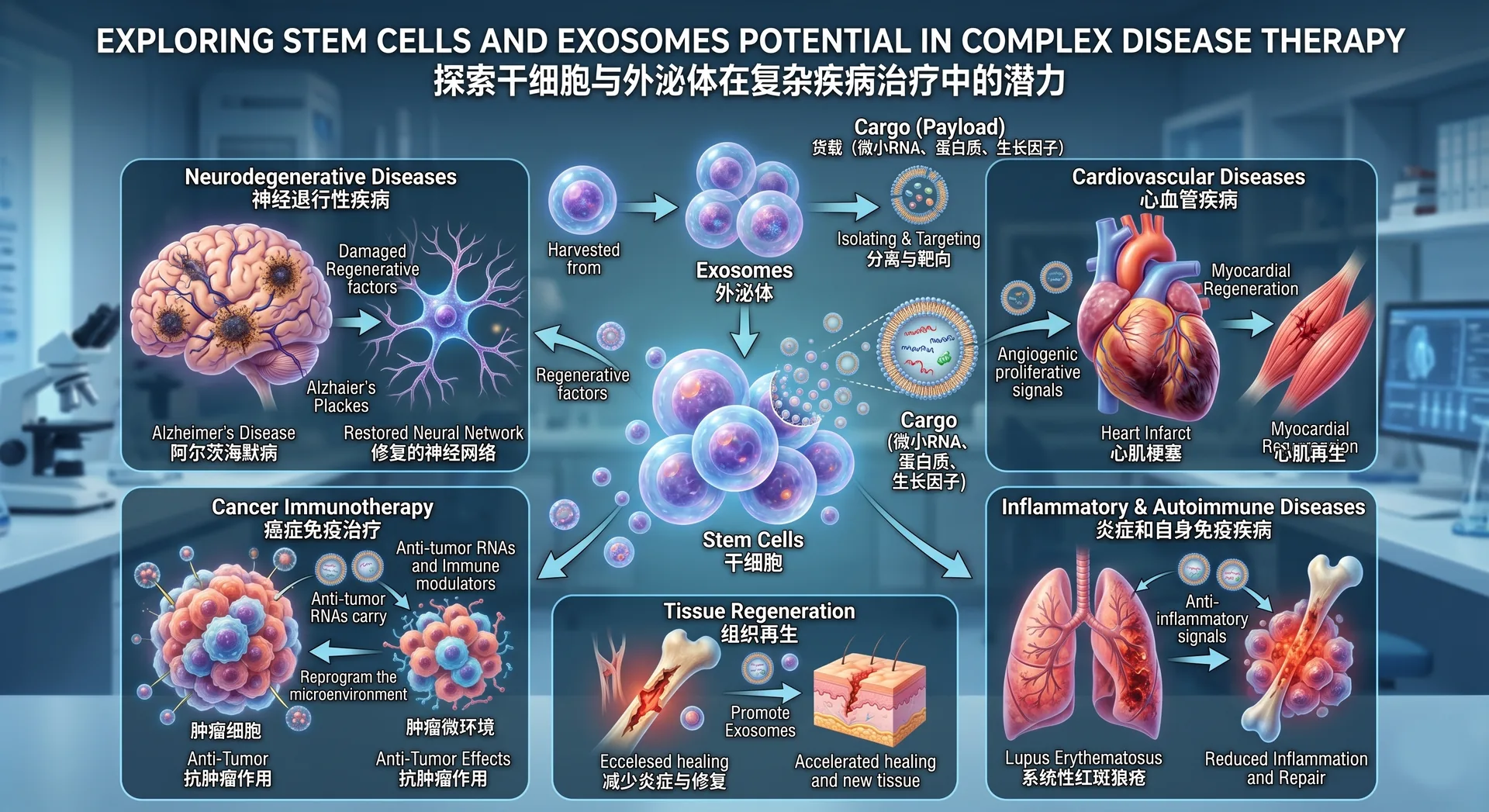
Our laboratory studies hematological and immune-related diseases, particularly aging and repair in bone marrow and the immune system. Our stem cell and extracellular vesicle (EV) research seeks to address challenges in immune diseases, cancer and other complex conditions through innovative clinical studies. The team has conducted original research into EV biology and clinical applications for more than 15 years.
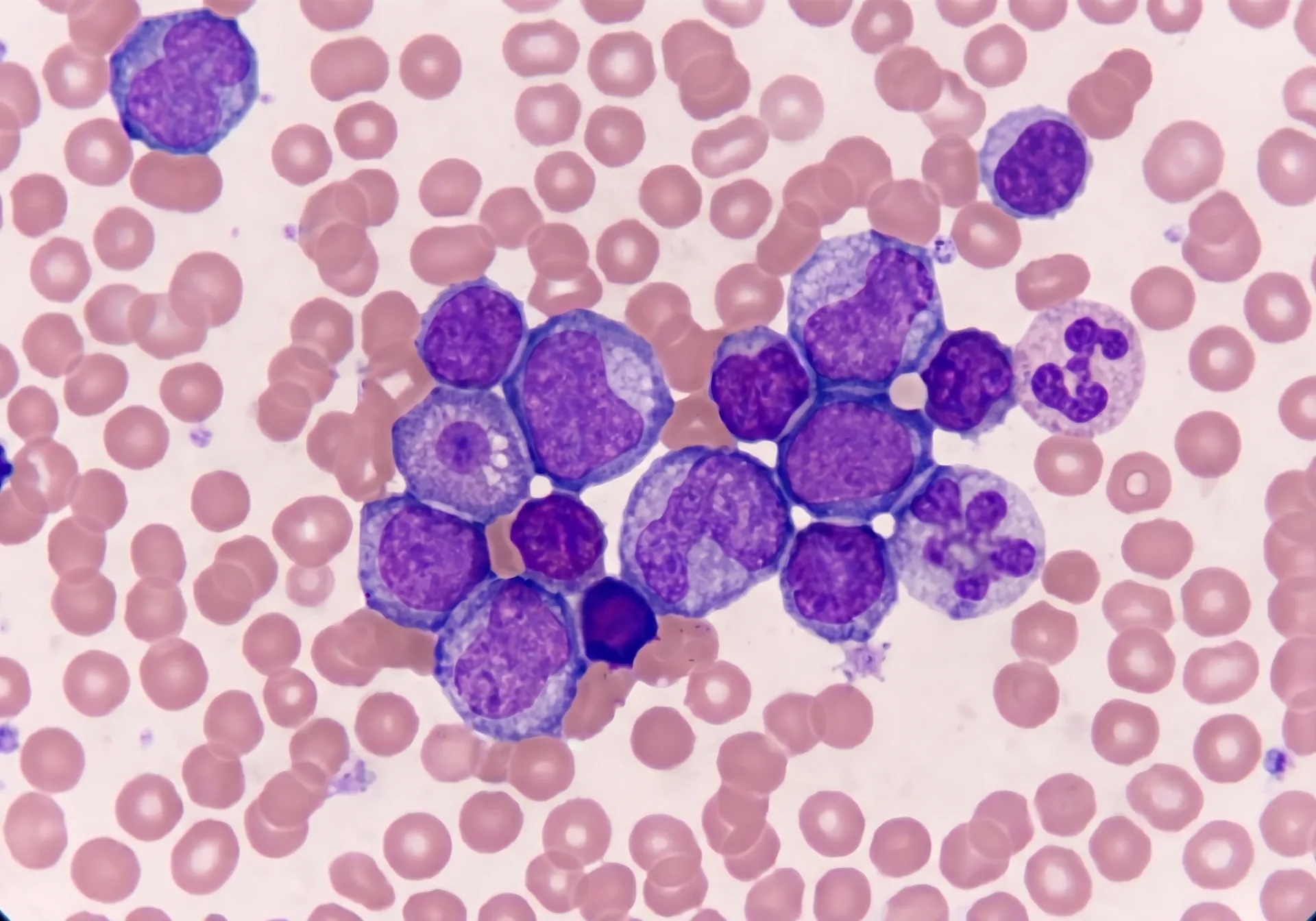
Our team reported that leukemia-derived EVs can transform normal stem cell grafts into malignant cells, revealing a mechanism of donor-cell leukemia. This led to an invited plenary presentation at the 37th Annual Meeting of the Japan Society for Hematopoietic Cell Transplantation in 2014, at the invitation of its president, Professor Ogawa. We also characterized the properties and functions of myeloma EVs, identifying disease mechanisms, molecular markers and therapeutic targets.
More
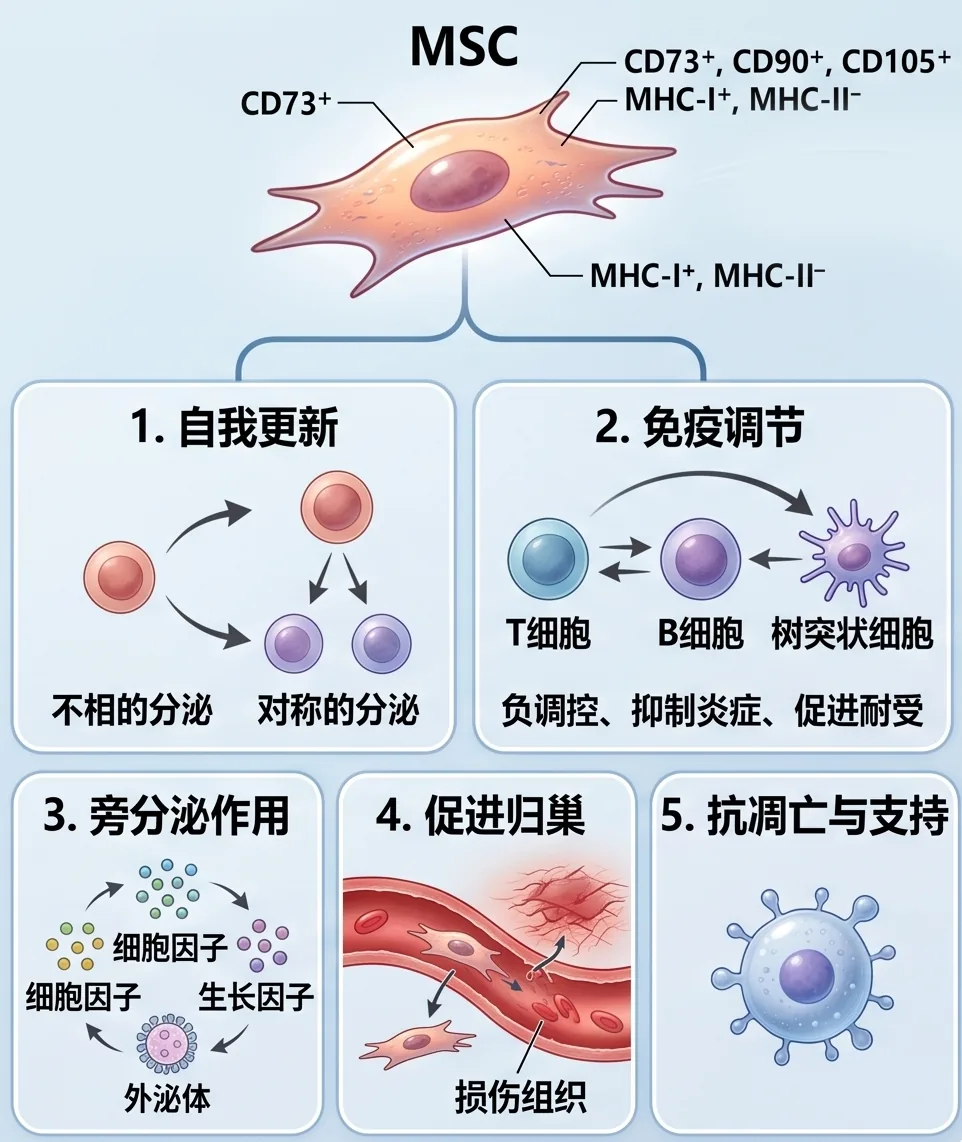
Professor Qiubai Li’s team connects industry, academia, research and clinical practice to develop stem cell-derived EV therapeutics, focusing on manufacturing technologies and clinical translation. The team leads a National Key R&D Program project on stem cell research and organ repair (2021–2026; RMB 73.5 million), with investigational new drug approvals for stem cell and EV products as a central objective. The team established the Hubei Engineering Research Center for Extracellular Vesicle Translational Applications and the Hubei Society for Extracellular Vesicles, including its translational medicine research and application committee.
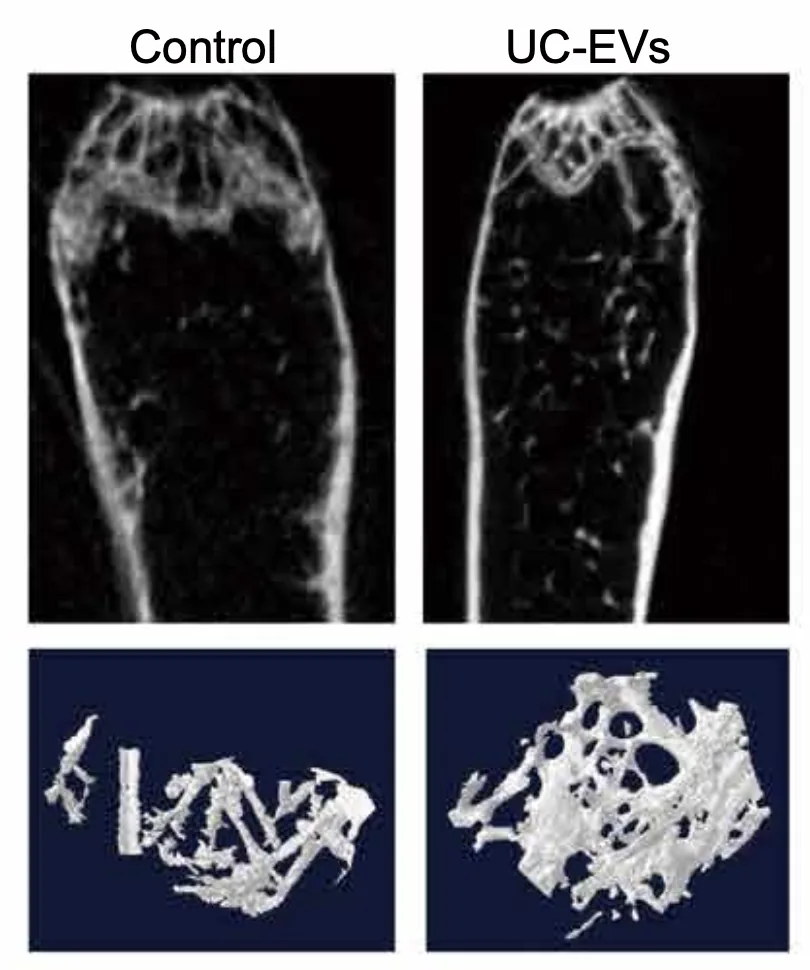
We found that EVs derived from umbilical cord stem cells contain factors that can reverse features of bone marrow stem cell aging and slow organ degeneration in aged mice. Published in Science Translational Medicine, this highly cited study highlights the potential of EVs in aging research and provides a basis for investigating therapies for age-related diseases.
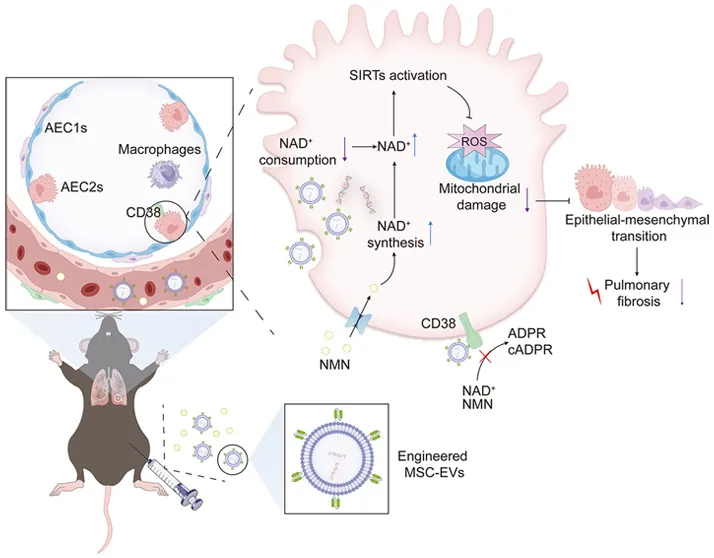
The team developed engineered EVs with high expression of the CD38 antigen receptor, which reversed alveolar epithelial cell senescence and pulmonary fibrosis in experimental studies. Published in ACS Nano and submitted for invention patent protection, this work suggests an approach to pulmonary fibrosis associated with aging and connective tissue diseases. Professor Li’s team also proposed and validated EV-based monitoring of stem cell function, using fluorescence molecular tomography (FMT) for in vivo EV tracking and imaging.